Evo AI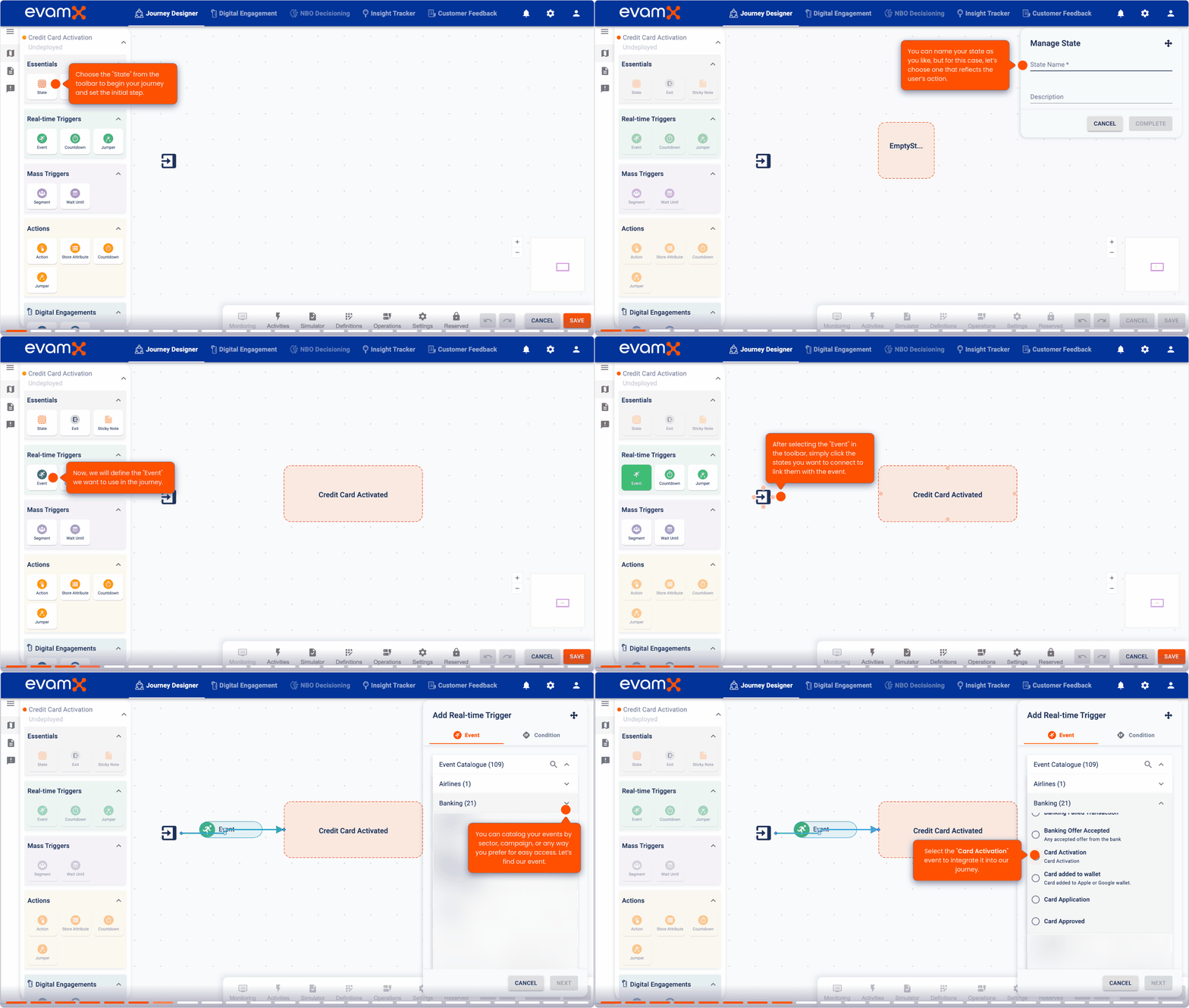


- Why Real-Time Decisioning Changes Everything
- The Hidden Problem: Acting Too Late
- What This Looks Like in Practice
- Why Real-Time Changes the Outcome
- Beyond Messaging: Execution at Scale
- The Role of AI: Decisioning, Not Reporting
- The Shift That Matters
Why Real-Time Decisioning Changes Everything
Banks are not short on data. They are short on timing.
Every day, millions of customer signals are generated. A payment fails. A customer checks a loan. A balance drops. Someone is about to transfer money out of the bank.
All of these are moments where a decision could be made. But in most systems, nothing happens. Not because the data is missing. But because the system isn’t built to act when it matters.
The Hidden Problem: Acting Too Late
Traditional marketing systems were never designed for real-time decisioning.
They collect data, store it, process it, and eventually trigger campaigns. But “eventually” is the problem. By the time a campaign is sent, the moment has already passed.
This is why many banks today:
- Track customer behavior but fail to convert it into revenue
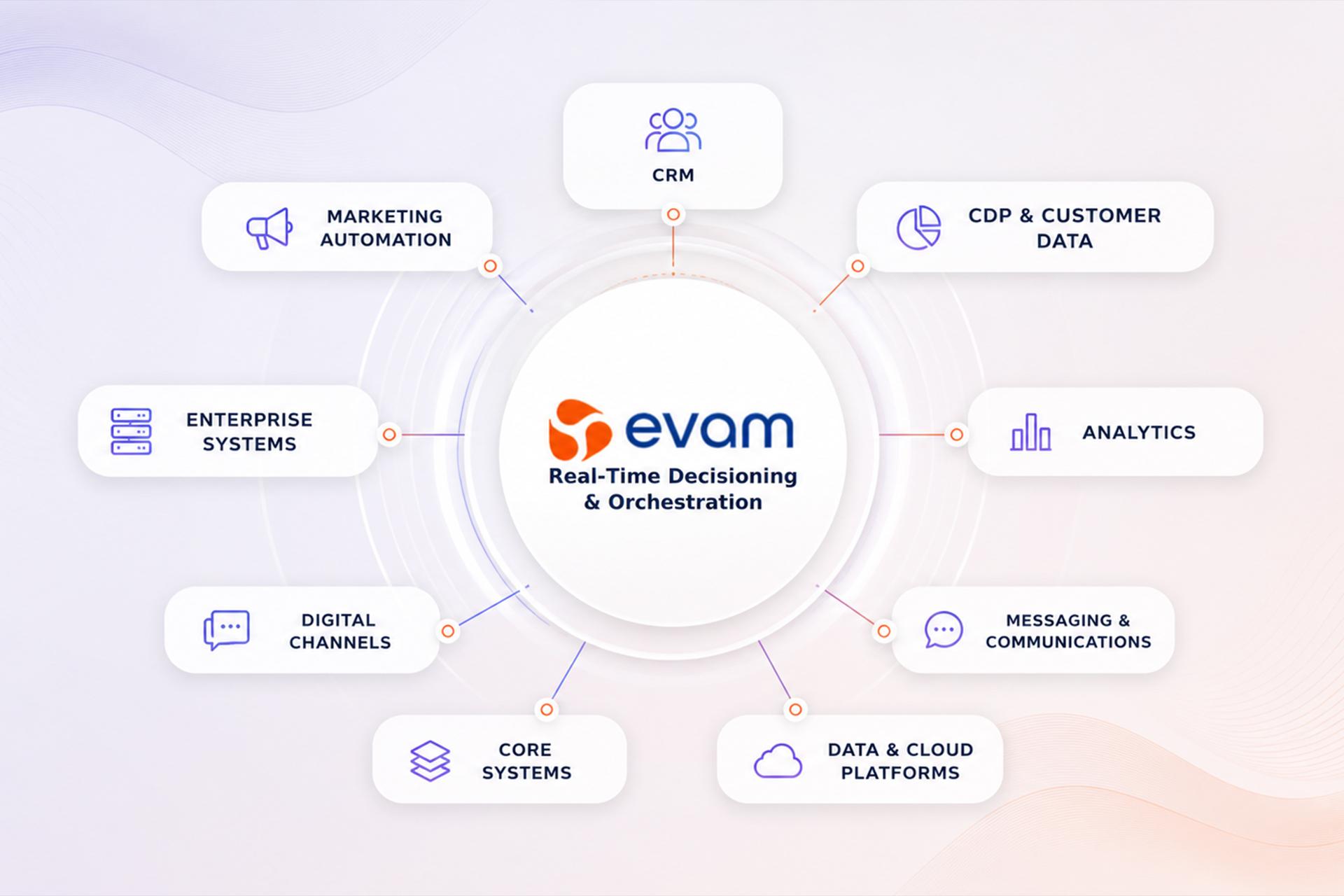
- Run campaigns across disconnected systems
- Depend on IT teams for even small changes
- React after the customer has already moved on
The result is simple: opportunities are missed not because they weren’t visible, but because they weren’t acted on in time.
evamX was built to solve exactly this problem.
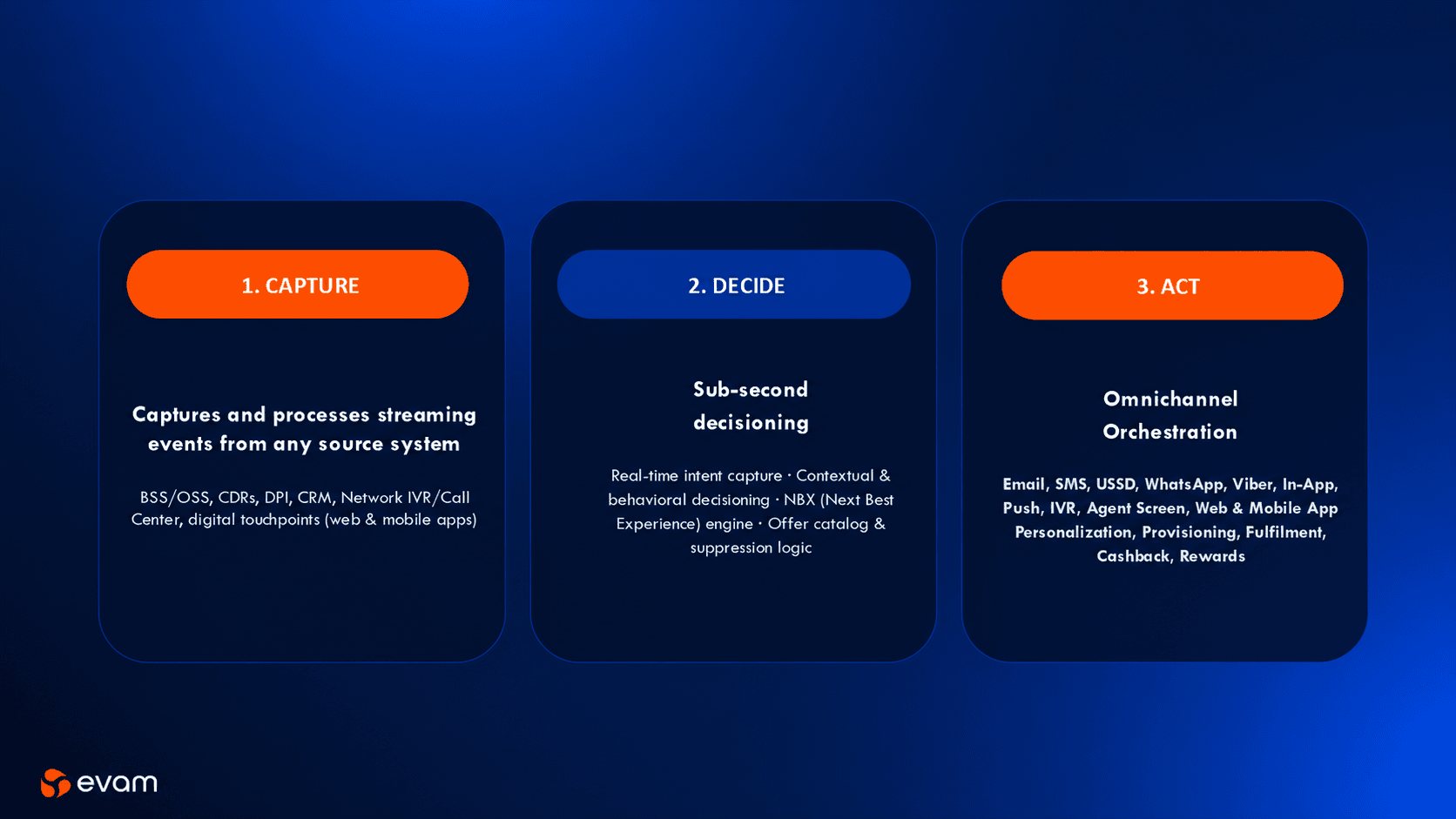
Instead of treating customer engagement as a sequence of campaigns, it treats every interaction as a decision moment.
The platform continuously listens to what is happening across the entire ecosystem. Core banking systems, mobile apps, call centers, card transactions, and third-party tools all generate signals.
The difference is what happens next.
Rather than storing and processing these signals later, evamX evaluates them instantly. It understands the context, predicts intent, applies business rules, and determines the best possible action all within milliseconds
And then it executes. Not as a scheduled campaign. But as an immediate response to a real customer moment.
What This Looks Like in Practice
To understand the impact, it helps to move away from abstract concepts and look at real situations.
Imagine a customer tries to make a payment, and it fails.

In a traditional setup, this becomes a report entry. Maybe a campaign is triggered the next day. Maybe nothing happens at all.
With evamX, that same moment becomes an opportunity.
The system detects the failure instantly, understands the reason, and guides the customer to resolve it within seconds. What would have been frustration turns into a seamless experience and a completed transaction.
This pattern repeats across the entire customer lifecycle.
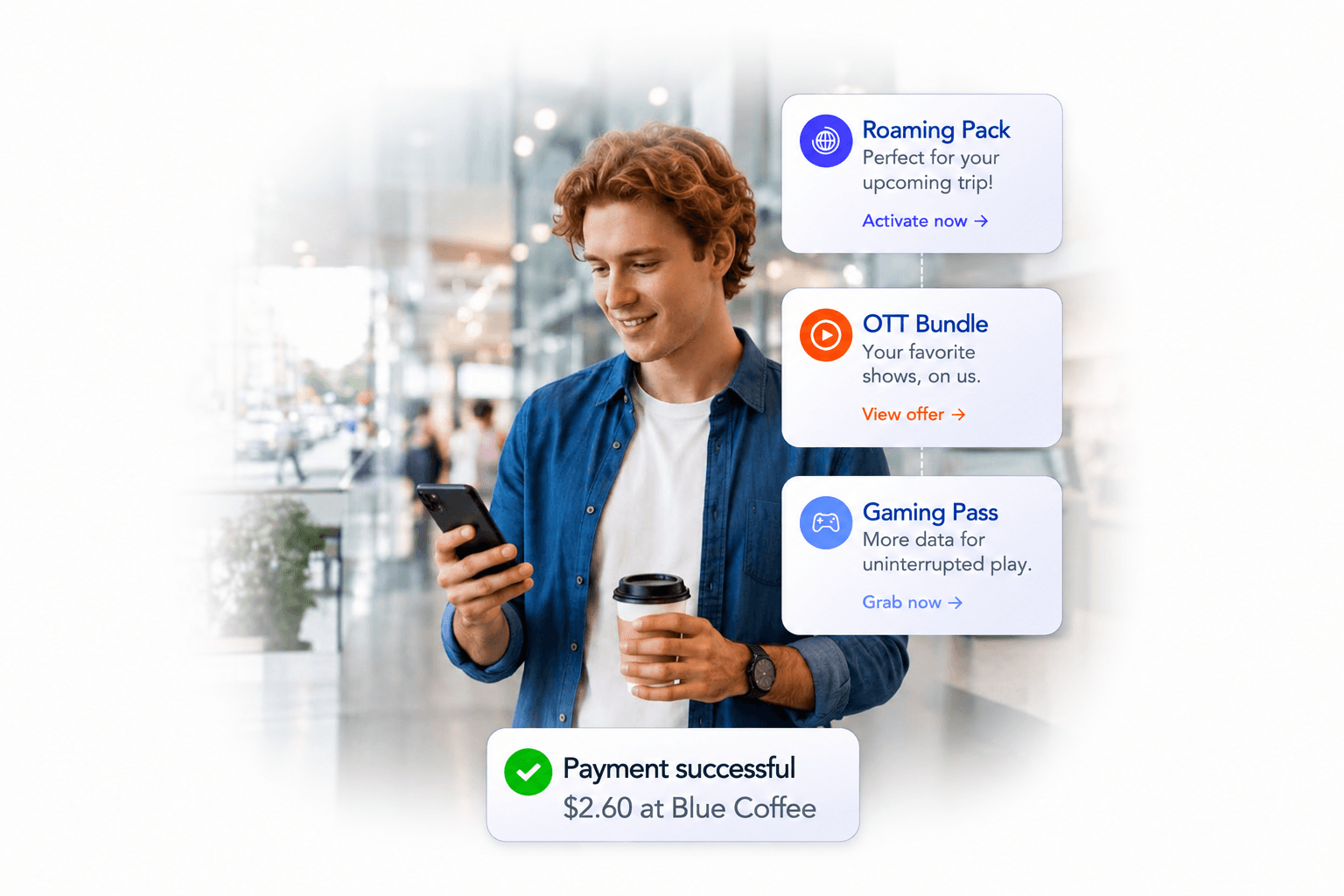
When a customer shows interest in a loan, the system doesn’t wait. It evaluates eligibility in real time and delivers a personalized offer at the exact moment of intent.

When someone is about to transfer money out, the platform can intercept the action and present a relevant alternative before the decision is finalized.
Even onboarding becomes different. Instead of static journeys, customers receive real-time, step-by-step guidance tailored to their behavior, increasing activation and early engagement significantly
👉 You can explore these exact scenarios through interactive demos built on real banking use cases.

Why Real-Time Changes the Outcome
The most important shift here is not technological. It’s behavioral.
Customers don’t think in campaigns. They act in moments.
When systems respond in those moments, the impact is immediate.
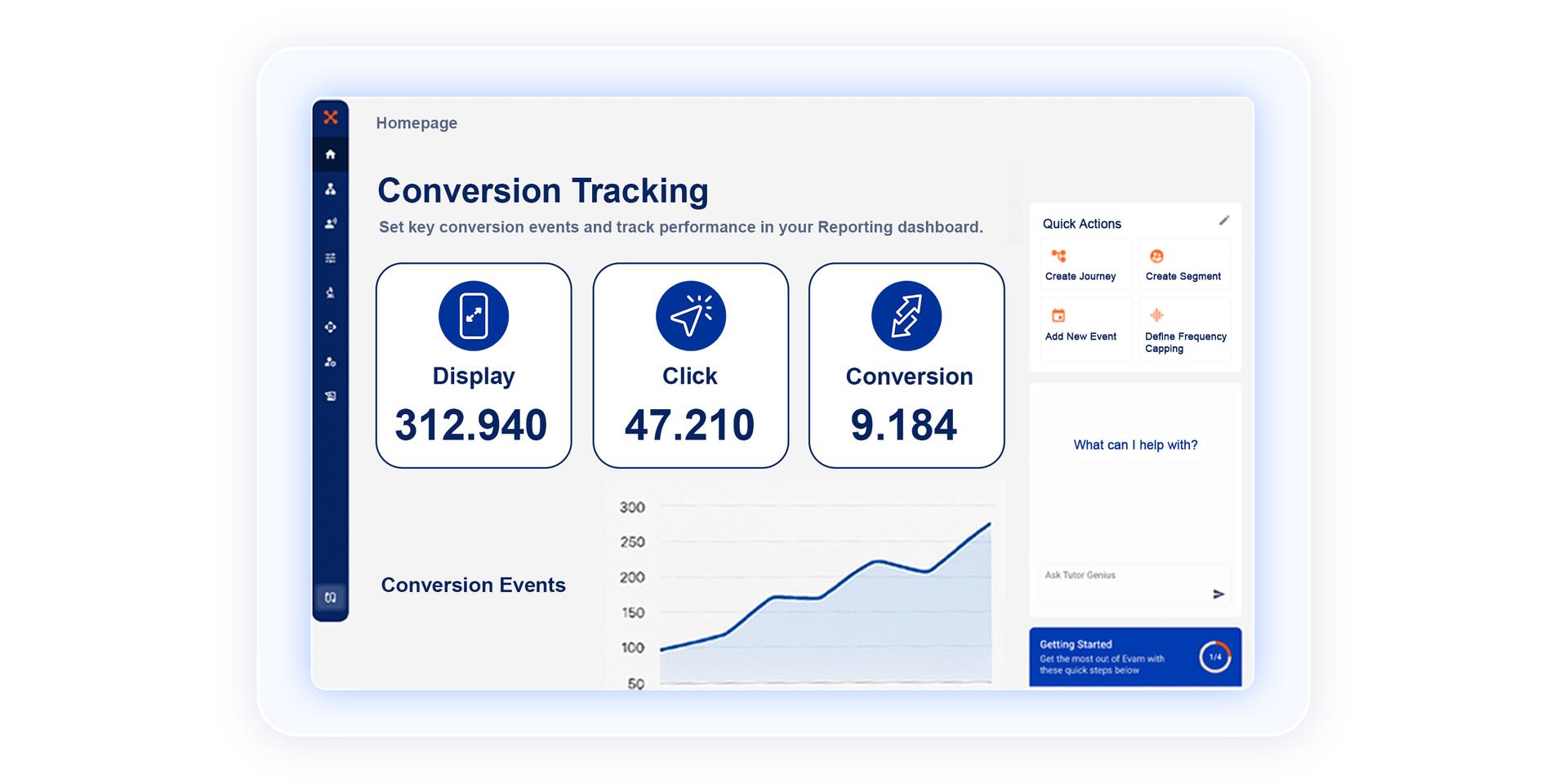
Your own data shows how dramatic the difference can be. The same offer, delivered at the right time instead of later, can multiply conversion rates several times over. In some scenarios, real-time triggers outperform batch campaigns by multiples, not percentages
This is why real-time orchestration is not an optimization. It is a different way of operating.
Beyond Messaging: Execution at Scale
Another key difference is that evamX doesn’t stop at communication.
Most platforms are built to send messages. evamX is built to complete actions.
This means that beyond sending a notification, the platform can: Trigger rewards or cashback, Activate offers, Update systems, Guide the customer to completion
All within the same flow
The Role of AI: Decisioning, Not Reporting
AI in many platforms is used for analysis and reporting. Here, it plays a different role.
evamX uses AI to continuously evaluate intent, optimize decisions, and improve outcomes over time. Instead of marketers manually building and adjusting campaigns, the system can assist in creating segments, journeys, and actions using natural language and adaptive logic.
This reduces operational dependency and allows teams to focus on strategy rather than execution
The Shift That Matters
What evamX ultimately changes is how customer engagement is defined.
It moves organizations:
- From campaigns to continuous decisioning
- From delayed reactions to instant action
- From siloed channels to unified orchestration
- From manual execution to AI-supported automation
And most importantly: From missing the moment to acting in it.