Evo AI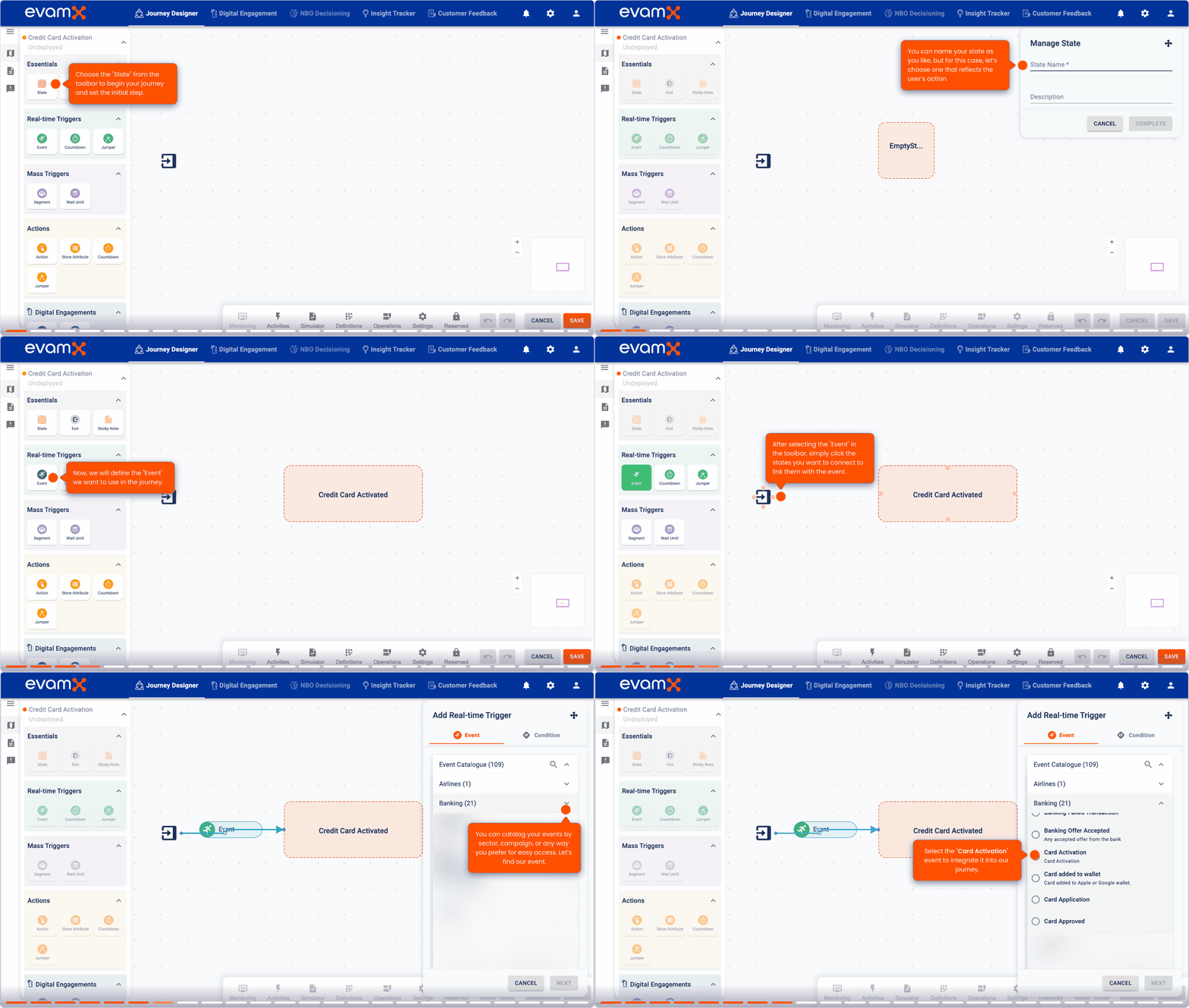


- Behavioral Targeting: Optimizing Based on the Past
- Intent-Based Marketing: Acting on What Customers Want Now
- Why Timing Changes the Outcome
- Head-to-Head Comparison
- Signals That Reveal Intent
- Building an Intent-Driven Engagement System
- When to Use Each Approach
- Business Outcomes of Intent-Based Marketing
- The Shift from Segments to Signals
- Final Thoughts
Marketing has evolved from mass messaging to segmentation, and from segmentation to personalization.
Behavioral targeting played a major role in that shift. It helped companies move beyond generic campaigns by using customer history to deliver more relevant experiences.
But today, relevance alone is not enough.
Customers expect brands to respond immediately, not hours or days later. In industries like banking, telecom, and retail, opportunity windows are short. A delay in engagement often means a lost conversion.
This is where intent-based marketing goes beyond traditional behavioral targeting.
While the two approaches are related, they are fundamentally different in timing, execution, and impact.
Understanding that difference is critical for enterprises looking to increase revenue, reduce churn, and improve customer engagement.
Behavioral Targeting: Optimizing Based on the Past
Behavioral targeting uses historical customer data to create segments and deliver relevant communications.
It typically relies on: past purchases, browsing history, demographic information, previous campaign, interactions, long-term usage patterns
For example: A customer who frequently purchases travel products may be added to a “frequent traveler” segment and receive airline promotions.
Behavioral targeting improves efficiency and relevance compared to mass campaigns. It allows marketers to tailor messaging based on known preferences.
However, it is usually: segment-based, campaign-driven, updated in batches, dependent on predefined rules, It answers a retrospective question:
“What has this customer done before?”
That insight is valuable but it doesn’t necessarily capture what the customer wants in the moment.
Intent-Based Marketing: Acting on What Customers Want Now
Intent-based marketing focuses on detecting live customer signals and responding instantly.
Instead of relying only on historical behavior, it evaluates real-time activity such as: browsing specific products multiple times, sudden increases in app usage, low balance thresholds, cart abandonment, transaction attempts, loan exploration, roaming entry
It answers a forward-looking question:
“What is this customer trying to do right now?”
For example: A banking customer reviewing loan details multiple times within a session signals immediate borrowing intent.
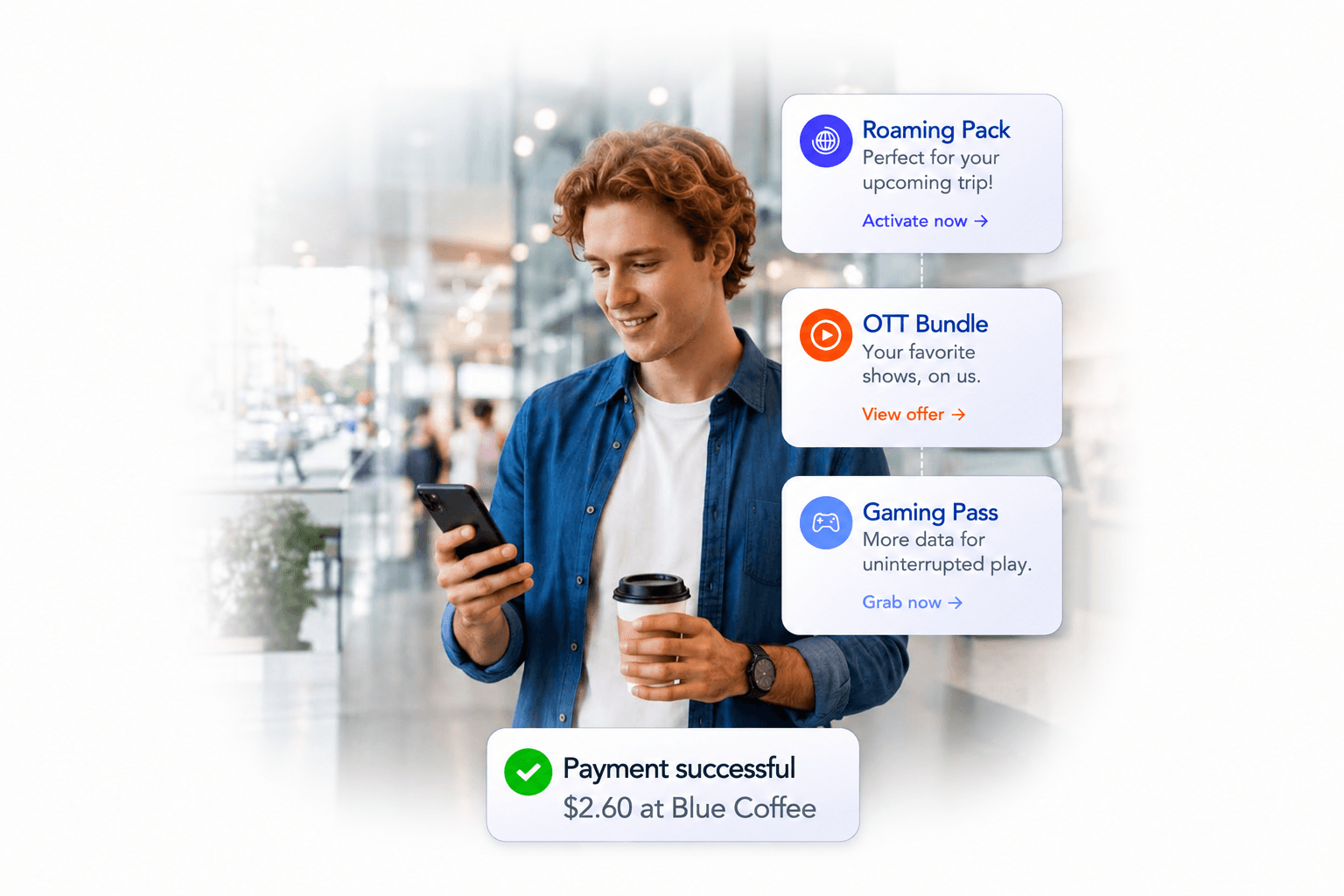
A telecom customer experiencing rapid data usage signals upgrade intent.
If the system detects these signals in real time, it can trigger the next best action instantly.
That immediacy is the defining difference.
Why Timing Changes the Outcome
The core distinction between behavioral targeting and intent-based marketing is timing.
Behavioral targeting often relies on scheduled campaigns. Even if targeting logic is accurate, execution may happen hours or days later.
Intent-based marketing is always-on. It processes signals continuously and activates engagement while the customer is still active.
In high-intent moments, speed directly impacts performance.
Consider:
A cart reminder sent within 5 minutes versus 24 hours later
A telecom top-up offer delivered before service interruption
A credit offer shown during active product research
The faster the response, the higher the conversion probability.
Real-time decisioning transforms marketing from reactive to proactive.
Head-to-Head Comparison
Here’s how the two approaches differ in practice:
Data Focus
Behavioral Targeting → Historical behavior
Intent-Based Marketing → Live signals + context
Personalization
Behavioral Targeting → Segment-level
Intent-Based Marketing → Individual, moment-based
Execution Model
Behavioral Targeting → Scheduled campaigns
Intent-Based Marketing → Continuous, real-time engagement
Decision Logic
Behavioral Targeting → Static rules
Intent-Based Marketing → Dynamic next best action
Business Impact
Behavioral Targeting → Improved relevance
Intent-Based Marketing → Improved relevance + timing + conversion lift
Intent-based marketing does not replace behavioral targeting. It builds on it adding real-time intelligence to historical insight.
Signals That Reveal Intent
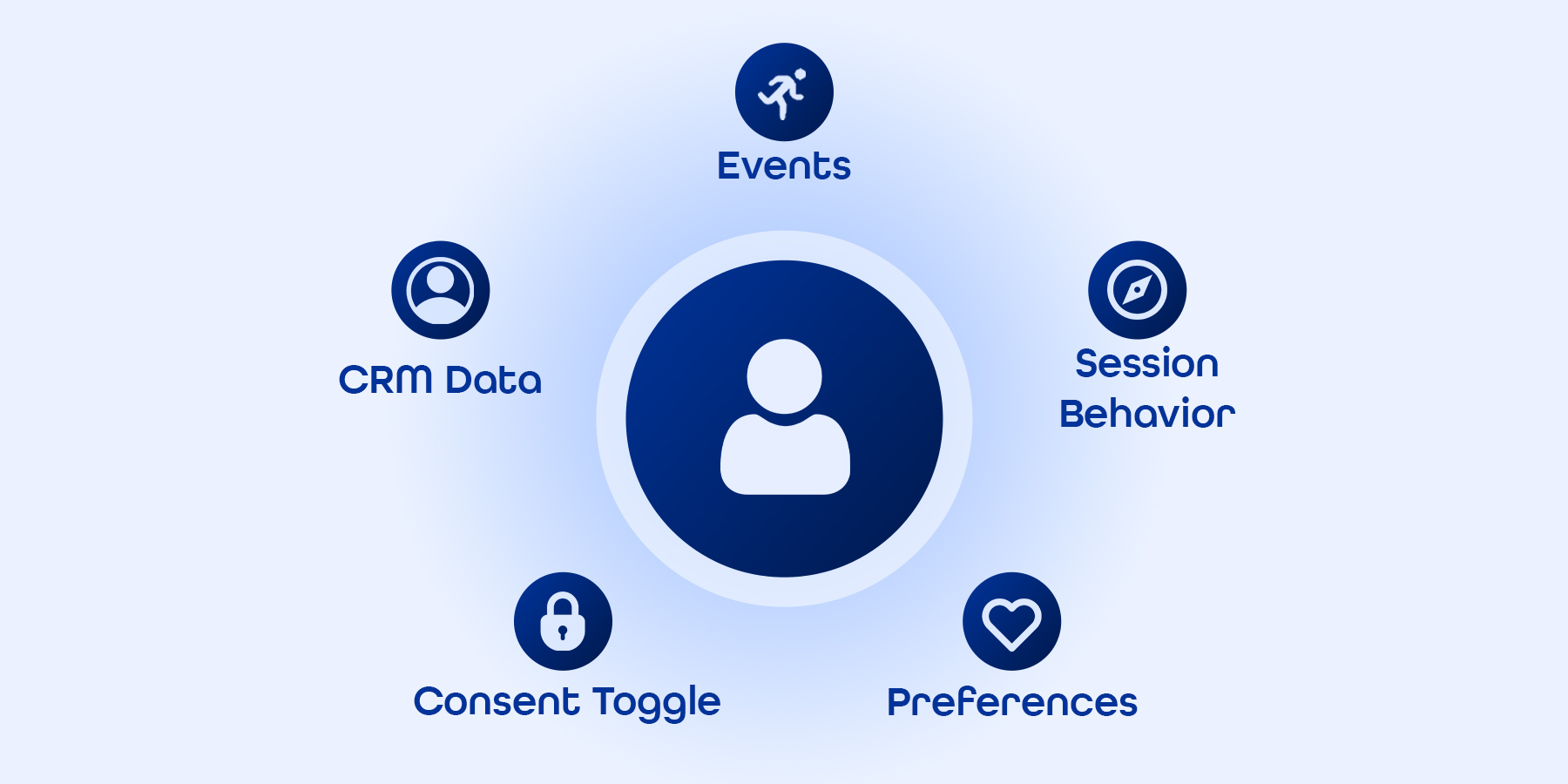
Intent can be identified through multiple types of signals:
Behavioral Signals: Clicks, searches, repeated views, feature usage.
Transaction Signals: Purchases, spending spikes, failed payments, balance changes.
Contextual Signals: Location shifts, device changes, time-of-day patterns.
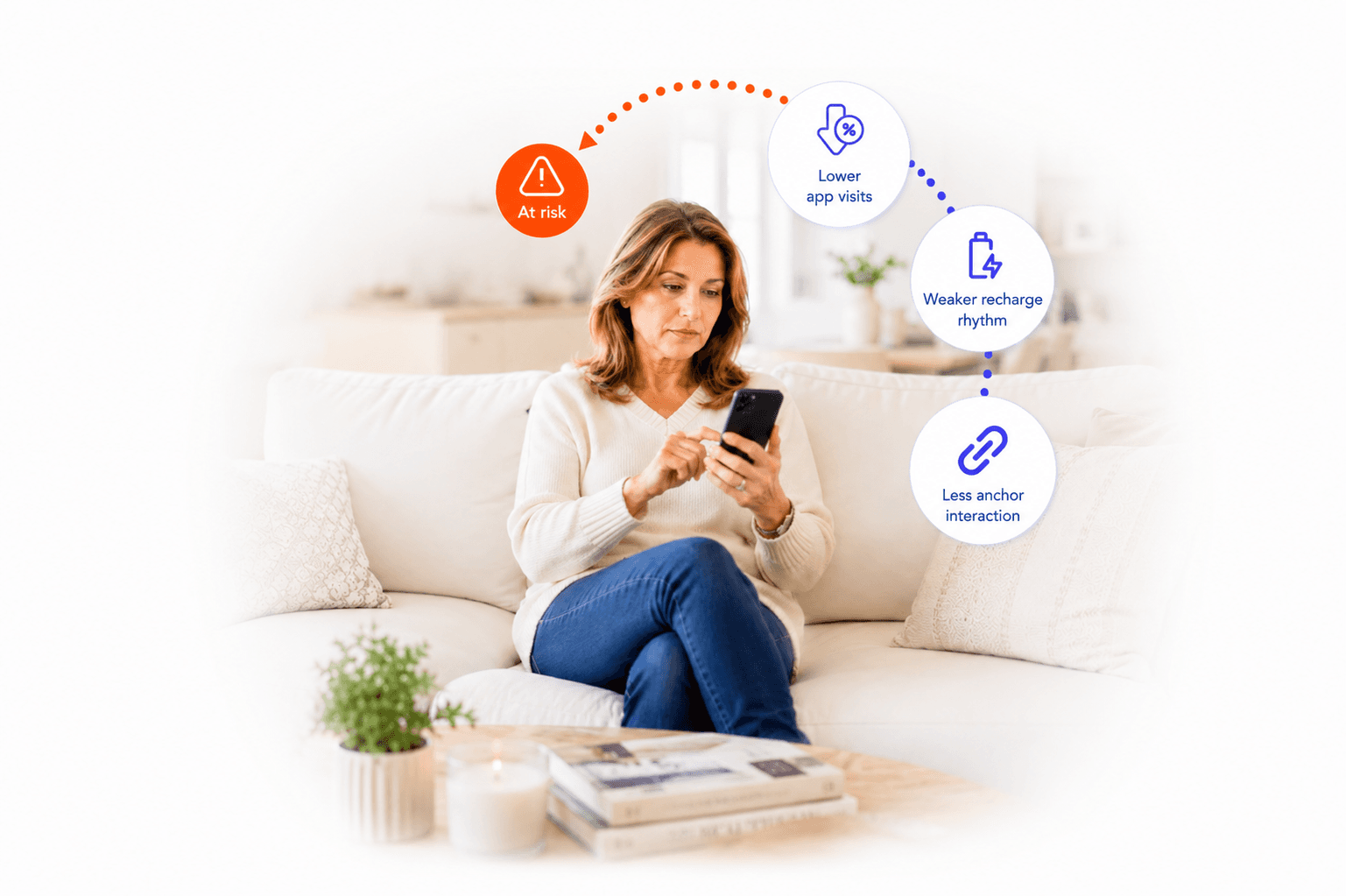
Lifecycle Signals: Onboarding progress, inactivity periods, churn indicators.
When these signals are processed in isolation, they provide insight.
When they are processed in real time and combined with AI decisioning, they enable action.
This is where infrastructure matters.
Building an Intent-Driven Engagement System
Intent-based marketing requires more than segmentation tools.
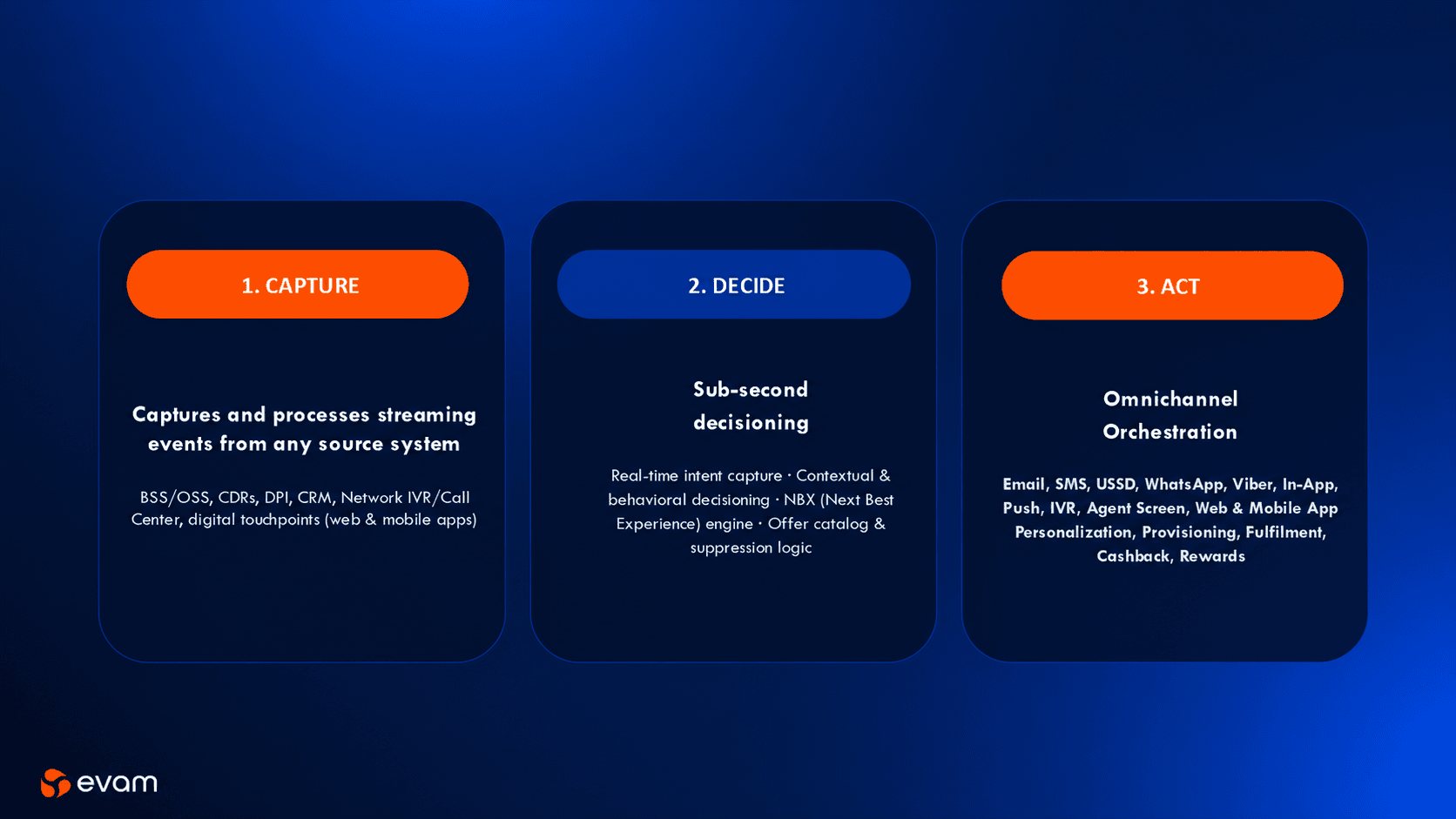
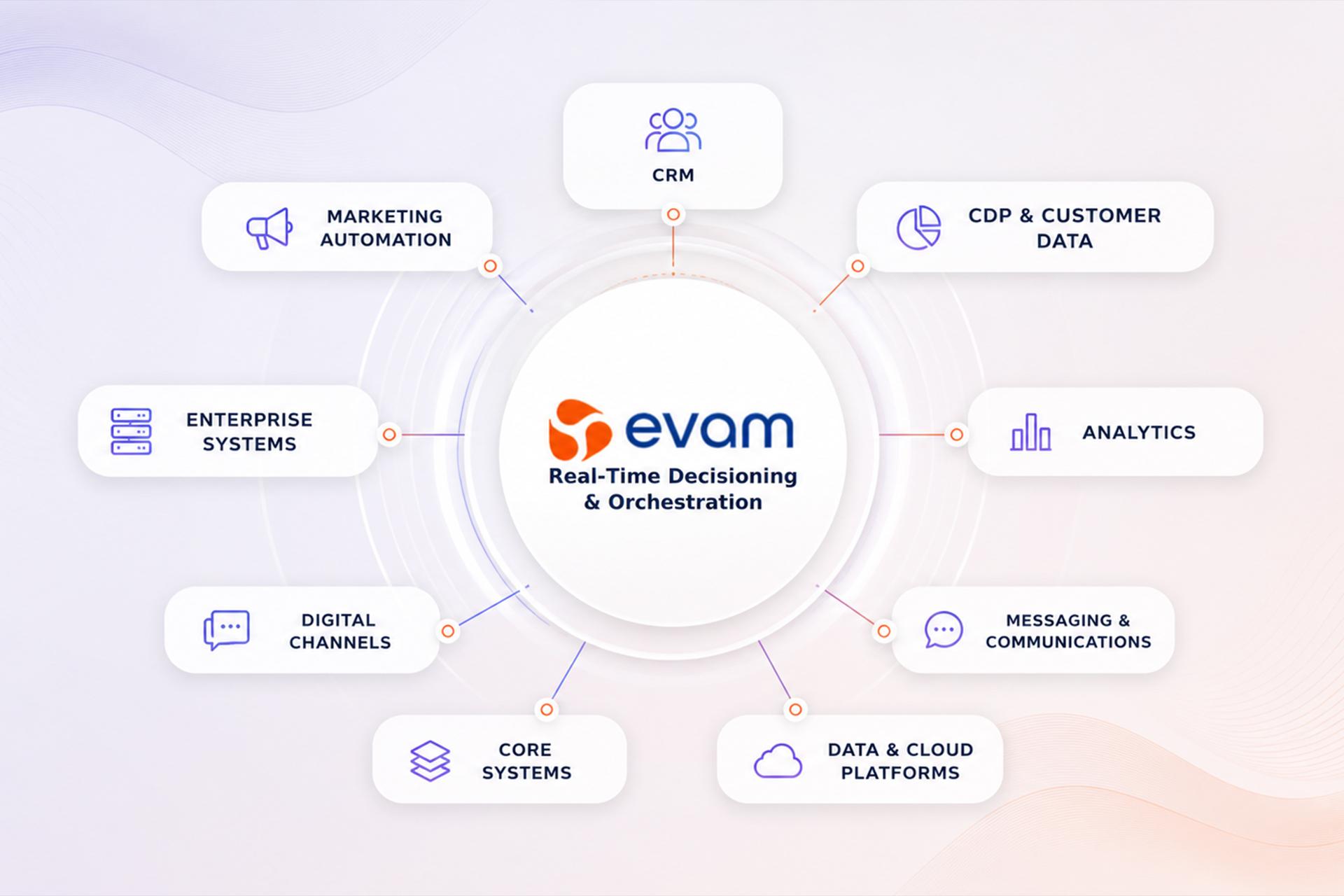
It depends on an integrated architecture that includes: Real-time event streaming, AI-powered decision engines, Next best action logic, Omnichannel orchestration, CRM and core system integration
Platforms like evamX enable enterprises to process live customer signals, evaluate them against predictive models and business rules, and trigger personalized engagement instantly across SMS, push, in-app, email, and call center channels.
Instead of launching weekly campaigns, enterprises execute thousands of automated decisions every second.
That shift from campaigns to continuous engagement is what differentiates intent-based systems.
When to Use Each Approach
Behavioral targeting remains effective for: seasonal campaigns, long-term segmentation strategies, lifecycle communication, brand awareness initiatives
Intent-based marketing is ideal for: churn prevention, high-intent upsell moments onboarding activation, abandoned journey recovery, telecom top-up alerts, contextual financial offers
The most advanced enterprises combine both approaches using historical data for strategic segmentation and real-time signals for tactical execution.
Business Outcomes of Intent-Based Marketing
Organizations that move toward intent-driven engagement typically see: higher conversion rates, reduced churn, increased average revenue per user, improved customer satisfaction, faster campaign execution, stronger personalization at scale
The biggest performance gains often come from reducing the delay between signal detection and action.
In competitive markets, seconds matter.
The Shift from Segments to Signals
Behavioral targeting marked an important evolution in marketing maturity.
Intent-based marketing represents the next stage.
It moves enterprises from:
Segments → Signals
Campaigns → Continuous engagement
Delayed response → Instant decisioning
In fast-moving industries, responding to customer intent immediately creates measurable competitive advantage.
Final Thoughts
Behavioral targeting looks at what customers have done.
Intent-based marketing focuses on what customers are about to do.
The difference may seem subtle but in practice, it determines whether engagement is timely or late.
Enterprises that can detect intent and act instantly are better positioned to increase revenue, strengthen retention, and deliver superior customer experiences.