Evo AI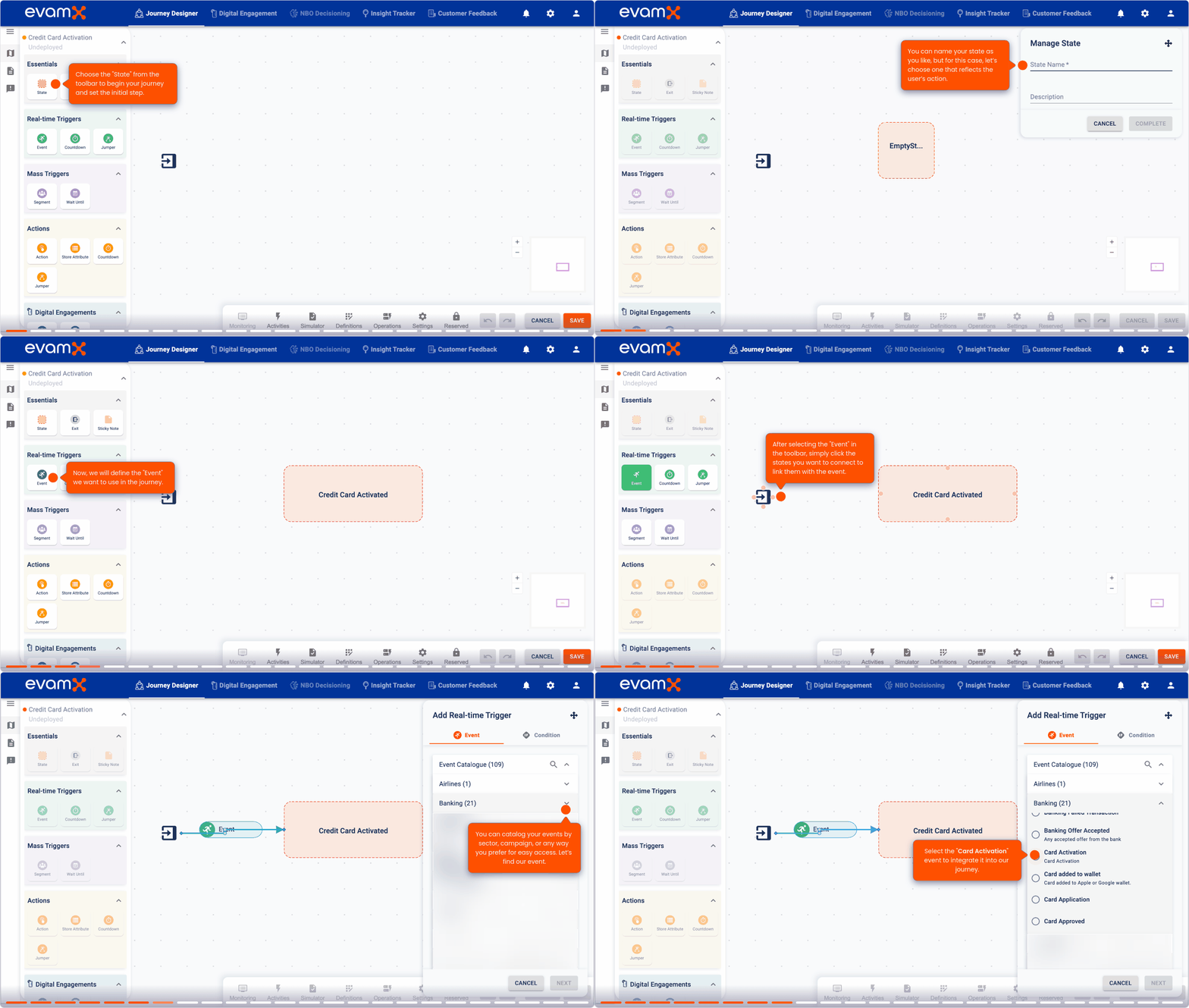


- Understanding how intent becomes customer engagement
- What Is Intent Data?
- What Is Real-Time Intent?
- The Key Differences Between Intent Data and Real-Time Intent
- Turning Intent Signals into Action
- Technology Required to Activate Real-Time Intent
- From Insights to Engagement
Understanding how intent becomes customer engagement
Customer intent has become one of the most valuable signals in modern marketing.
Organizations want to understand when customers are researching a product, exploring a service, or preparing to make a decision. Identifying these moments helps teams deliver more relevant experiences and stronger engagement.
Two approaches are often used to understand intent:
- intent data
- real-time intent signals
Although these terms are frequently used interchangeably, they represent different types of information and different levels of marketing maturity.
Understanding the difference helps organizations move from simply detecting interest to actually acting on intent in real time.
What is Intent Data?
Intent data refers to signals that indicate a person or organization may be researching a particular topic or solution.
These signals are usually derived from digital behavior such as:
- content consumption
- search activity
- website visits
- topic research across multiple platforms
Intent data platforms often aggregate information from multiple sources to identify patterns of interest.
For example, increased reading activity about customer engagement platforms could signal that a company is researching new marketing technology.
Because of this, intent data is frequently used to support:
- marketing planning
- lead prioritization
- account-based marketing strategies
- outreach targeting
Intent data helps organizations understand who might be interested in a topic or solution.
However, it does not necessarily indicate what customers are doing inside a company’s own digital ecosystem.
What Is Real-Time Intent?
Real-time intent refers to signals generated by live customer behavior within a company’s own platforms, applications, or services.
These signals come directly from first-party interactions such as:
browsing activity, product exploration, service usage patterns, transaction behavior, engagement across channels
Unlike intent data, which often reflects research activity over time, real-time intent reveals what customers are trying to accomplish right now.
For example:
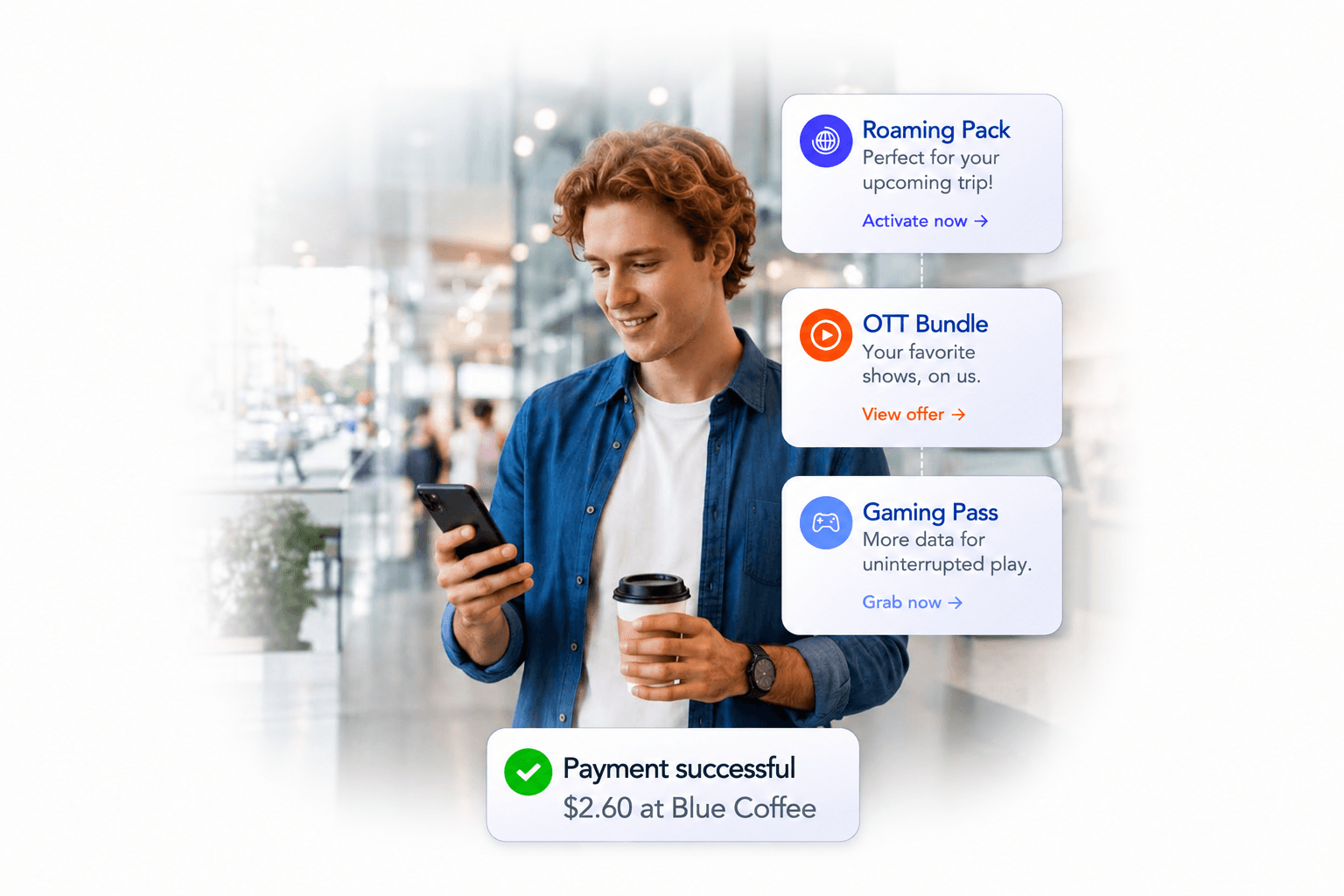
A customer repeatedly reviewing product options may signal purchase intent.
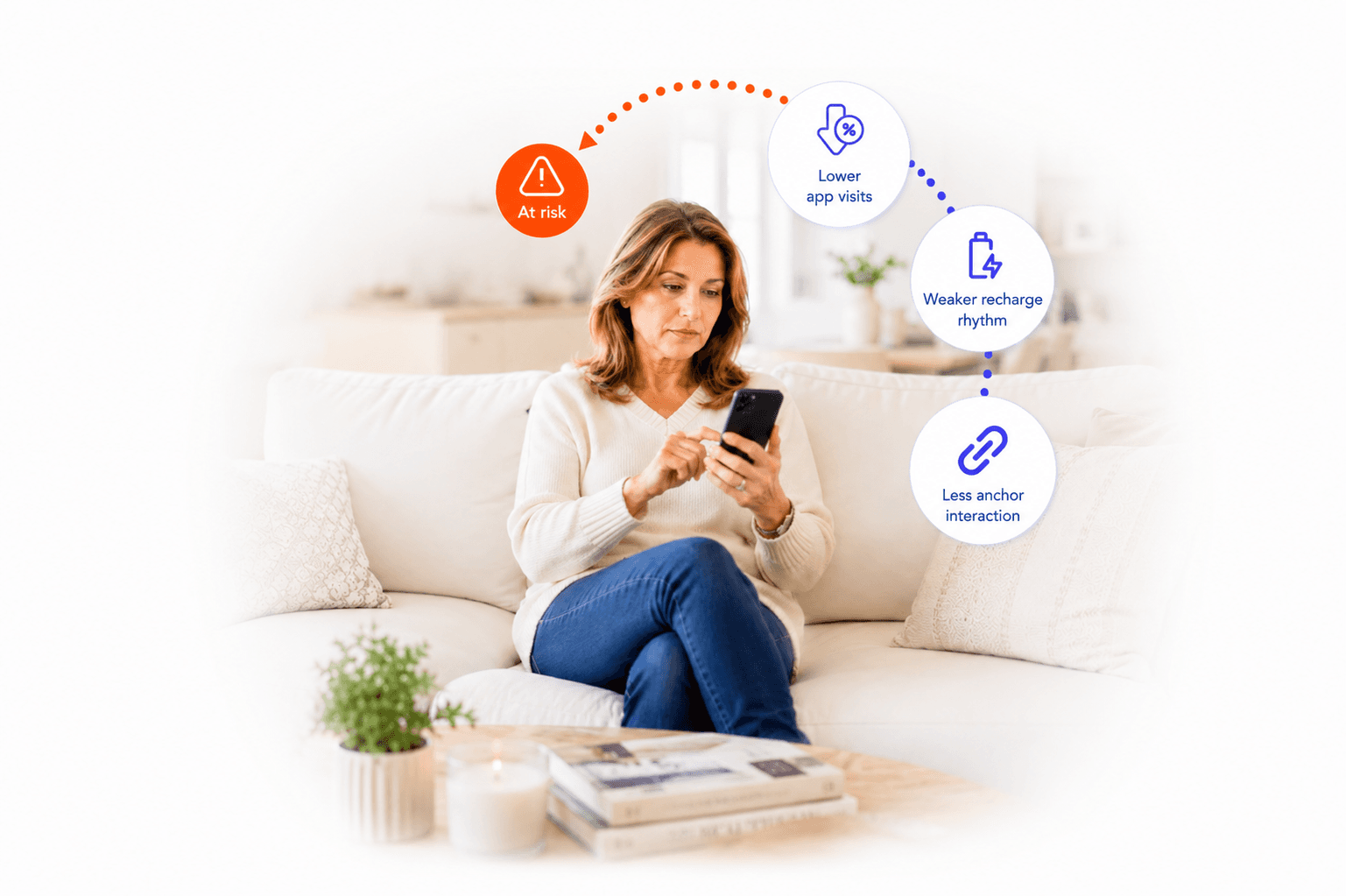
A sudden increase in usage may indicate an opportunity for an upgrade or recommendation.
An incomplete customer journey may signal hesitation that requires immediate engagement.
Real-time intent focuses on immediate behavioral signals that can trigger action.
The Key Differences Between Intent Data and Real-Time Intent
Although both approaches provide valuable insight, they serve different purposes.
1. Data Source
Intent data is typically collected from external sources that monitor research activity across the web.
Real-time intent is generated from first-party behavioral signals inside a company’s own digital environment.
2. Timing
Intent data usually reflects research behavior over a period of time.
Real-time intent reflects live customer actions happening in the moment.
3. Purpose
Intent data helps organizations identify potential interest.
Real-time intent helps organizations respond to active customer behavior.
4. Execution
Intent data often supports strategic planning and outreach.
Real-time intent supports instant engagement and automated decisioning.
Why Real-Time Intent Matters for Customer Engagement
Many organizations already have extensive customer relationships and large volumes of behavioral data.
The challenge is rarely collecting information.
The real challenge is recognizing the moments when engagement can influence customer decisions.
Real-time intent signals reveal those moments.
Examples include: repeated exploration of a product feature, changes in usage patterns, incomplete transactions, sudden activity spikes
These signals indicate opportunities for meaningful engagement.
When companies respond instantly, engagement becomes contextual and helpful rather than delayed or generic.
This timing can significantly improve: customer retention, engagement rates, product adoption, customer lifetime value
Turning Intent Signals into Action
Detecting intent signals is only the first step.
The real value comes from converting signals into engagement.
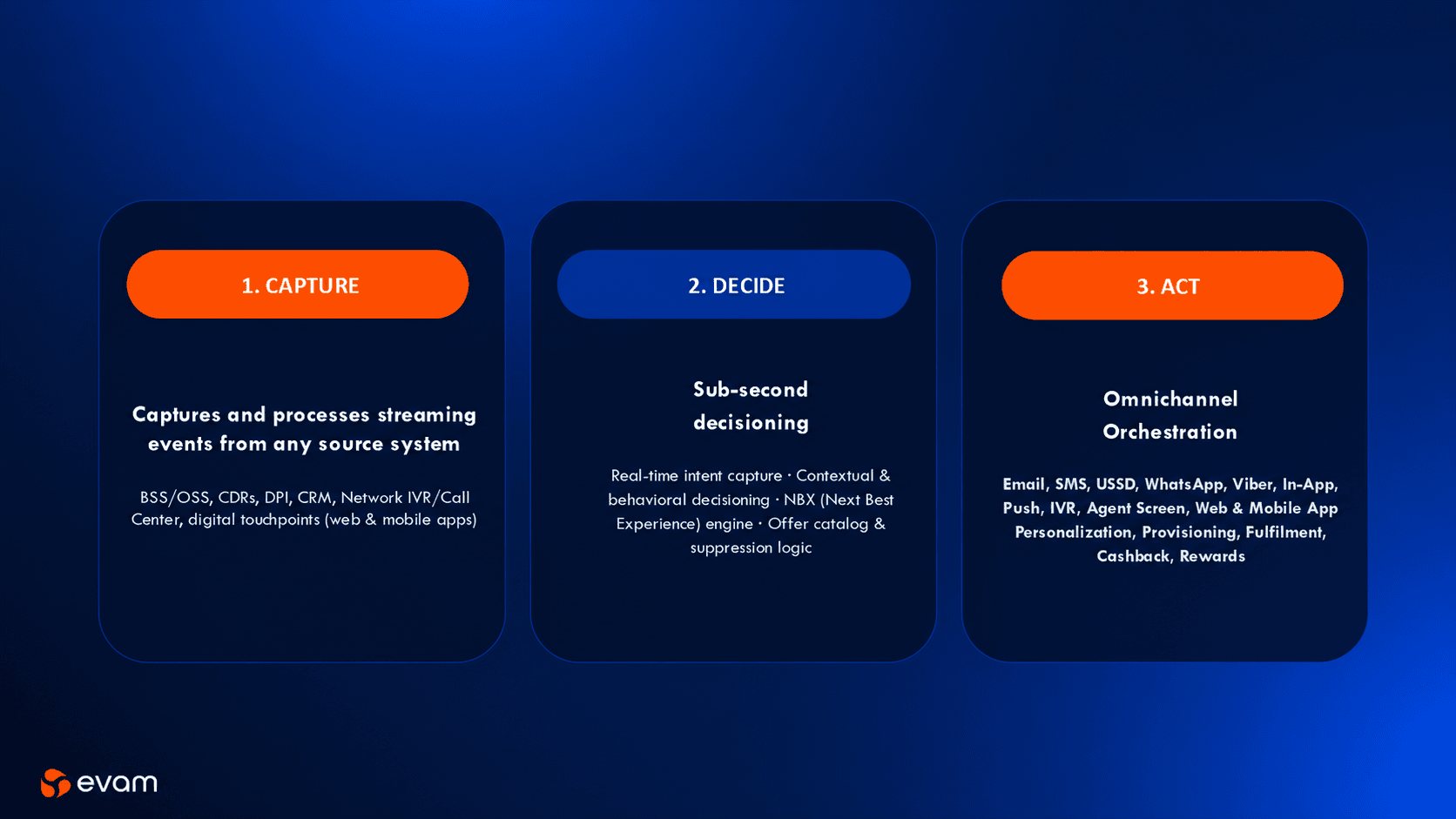
Modern customer engagement strategies follow a simple framework:
Signal → Decision → Action
Example:
Signal: A customer repeatedly explores a product option.
Decision: The system determines that a contextual recommendation is the most relevant next step.
Action: A personalized message or in-app experience is delivered immediately.
When this process happens instantly, marketing shifts from reactive campaigns to continuous customer engagement.
Technology Required to Activate Real-Time Intent
Real-time intent detection requires infrastructure capable of processing live customer events at scale.
This typically includes:
- event streaming technology
- next best action frameworks
- omnichannel engagement platforms
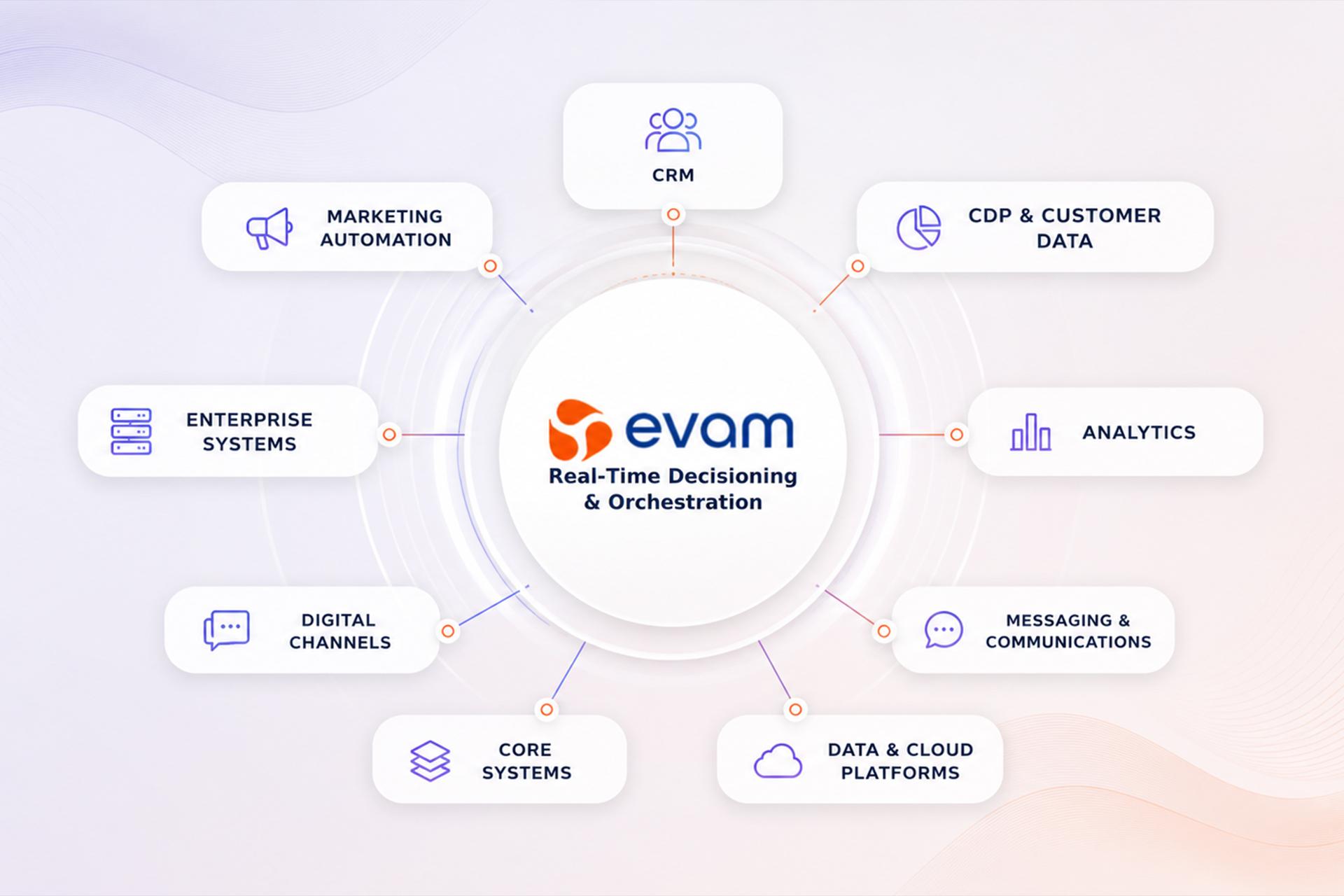
- integration with CRM and operational systems
Together, these components allow organizations to continuously monitor customer behavior and trigger personalized interactions instantly.
Platforms like evamX enable organizations to process millions of behavioral signals in real time and transform them into automated engagement across channels such as push notifications, SMS, email, in-app messaging, and call center interactions.
This allows teams to move beyond simply understanding intent and begin acting on it immediately.
Combining Intent Data and Real-Time Intent
Intent data and real-time intent are not competing approaches.
They provide different perspectives within the customer journey.
Intent data can help identify broader interest and market signals.
Real-time intent helps identify immediate engagement opportunities inside a company’s own customer environment.
When combined, they provide a more complete understanding of customer behavior.
Intent data helps organizations anticipate interest.
Real-time intent enables organizations to respond when customers are actively interacting with their products and services.
From Insights to Engagement
The evolution of marketing is moving from analysis toward action.
Understanding customer intent is important, but the ability to respond instantly is what creates meaningful engagement.
Real-time intent signals allow organizations to move beyond delayed campaigns and toward continuous interaction with customers.
This shift transforms marketing from scheduled communication into contextual engagement that happens when it matters most.
Intent data helps organizations understand who may be interested in a topic or solution.
Real-time intent helps organizations understand what their customers are doing right now.
Both approaches provide valuable insight, but real-time intent enables companies to transform behavioral signals into immediate engagement.
Organizations that can detect and act on intent signals in real time are better positioned to strengthen customer relationships, increase lifetime value, and deliver more meaningful experiences.